While many higher education advocates are worried because the national college graduation rate is a less-than-stellar 54%, there’s a silver lining: more college graduates are identifying as an ethnicity other than White.
According to The National Center for Education Statistics, in 2009-2010, over 27 percent of all bachelor’s degrees were awarded to students who identified as Black, Hispanic, Asian/Pacific Islander, or American Indian/Alaska Native.
That’s up from the previous recorded year of 1999-2000, when 22.5 percent of bachelor’s degrees went to students who identified as an ethnicity other than White.
Starting your bachelor’s degree at a community college can be a great way to save money and still graduate with the same degree as students who attend a 4-year college from the beginning.
But if you choose to go the community college route, you’d better be careful–a new report from the Graduate Center of the City University of New York found that more than 40% of community college graduates are unable to transfer their credits to a 4-year college.
Many top colleges received fewer college applications this year than in previous years. This has alarmed some education advocates worried about students not graduating high school, going on to college and getting their degrees.
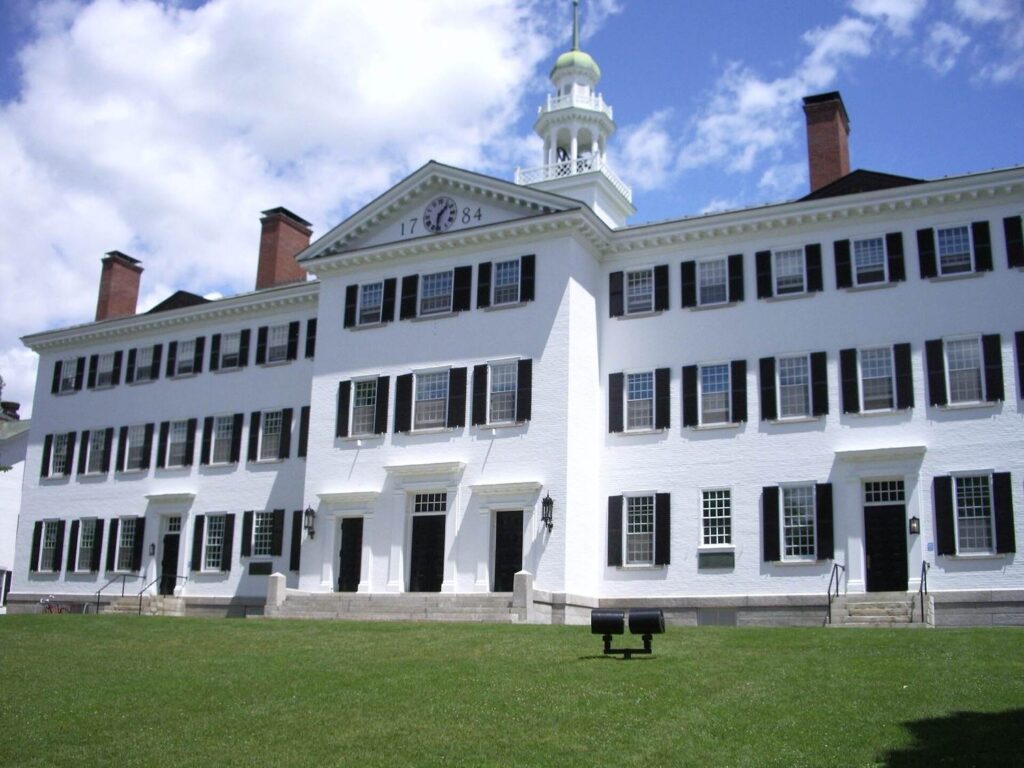
Even the elite Ivy League colleges aren’t immune to this trend. Applications at Dartmouth College declined a whopping 14% for the Class of 2018 and were down 2.1% at Harvard University.
‘Safety schools,’ or colleges considered back-ups to students’ top choices, get a bad rap.
But as many students have found, attending a college that isn’t your first choice can be a great way to save money and avoid student loan debt.
We’re so used to being able to customize everything, from our Starbucks drink orders to our perfect mates. Millennials, especially, are seen as being commitment-phobic when it comes to relationships, jobs, interests and even where they live.
But at some point, every adult (and college student) needs to make a choice–it doesn’t have to be for forever, but it has to at least be long enough to put in the time and effort to earn a bachelor’s degree in that field.
We’ve discussed the benefits of attending college at length, but we’re always quick to point out that even though college degrees are a good investment in your future, it doesn’t mean they’re worth going hundreds of thousands of dollars into debt for.
This funny video from YouTube personality Ryan Higa shows the downsides of college for many students and graduates: underemployment, massive student loan debt, stress, and studying subjects that don’t apply to your future career.
We see a lot of students get their heart set on one particular college, only to end up disappointed when they realize they can’t afford it.
As much as parents may try to reason with starry-eyed students, it can be difficult for 17- and 18-year-olds to understand the long-term impact of significant college debt.
This infographic from Affordable Online Colleges shows the benefits of looking beyond your dream school and remembering that prestige isn’t everything when it comes to choosing a college.
Can you name one Axis power from World War II? Most graduates of top U.S. colleges can’t. That’s because it’s possible for a student to graduate without ever taking a U.S. history course at most colleges, including the top 30 liberal arts colleges in the country, such as Amherst, Swarthmore, and Oberlin. High costs, low education […]
When applying to college, it’s important to be aware of which colleges will meet your family’s financial need.
Knowing which colleges are generous with need-based financial aid and scholarships can save you time and money during the college admissions process. It can help you avoid applying to colleges that don’t offer much in the way or need-based or merit aid.
December is a stressful time for college-bound students and their parents. With the pressure to finish up scholarship and college applications, along with the impending doom of paying for it all, students and families’ anxiety can really build up.
Hechinger Report recently took a look at five students and their families to learn how they’re navigating the college admissions process, dealing with the pressure and stress of applying, and figuring out how to pay for college.