It’s an age-old question that’s been debated by philosophers from Socrates to The Notorious B.I.G.: Does mo’ money equal mo’ problems? It just might, if that money is being taken out to pay for college. Graduates with student debt are less happy Many students and families think that attending a prestigious, well-known college is the […]
Is a college degree worth the cost? Should everyone go to college? In the video below from CNN Money, “Freakomics” author and journalist Stephen Dubner answers these questions about higher education and offers his take on the rising cost of college. Dubner says that, overall, getting a college degree pays off over time. If, however, […]

In Part 1 of our series on finding jobs during college, Jordan Goldman of Unigo.com explained how to choose a job during college and why on-campus jobs tend to be better than off-campus ones.
There are good jobs all over the place, he says, but they’re usually not advertised on job posting boards, so you have to be persistent in asking and finding out about them.
So now that you know to look on-campus first, where to start?
Check out this list of the top on-campus jobs and what they have to offer.
Getting a job during college is a great way to reduce costs, reduce your student loans and make college more affordable.
In the video below from ABC News, Jordan Goldman of Unigo.com, a college review website, offers some of his tips on where to find on-campus and off-campus jobs, what type of jobs are best and how to make the most of your experience.
Tennessee may be known for its great weather, country music and being Elvis’s hometown, but that might soon change.
According to ThinkProgress, in April, Tennessee lawmakers passed a bill that will make tuition free for all high school graduates who go to a two-year college as long as they meet the requirements of the “Tennessee Promise” program.
As part of the program, after graduating from high school, students will have to maintain a 2.0 grade point average, attend mandatory meetings, work with a mentor, and do community service. As long as they fulfill these obligations, their college education is free.
College applications were down this year at many top colleges, including Harvard and Dartmouth. This has led some in higher education to worry whether we’ll start seeing fewer people completing college degrees. It’s even caused some colleges to be forced to close. Law schools cutting tuition to attract students Many law schools have seen similar declines […]
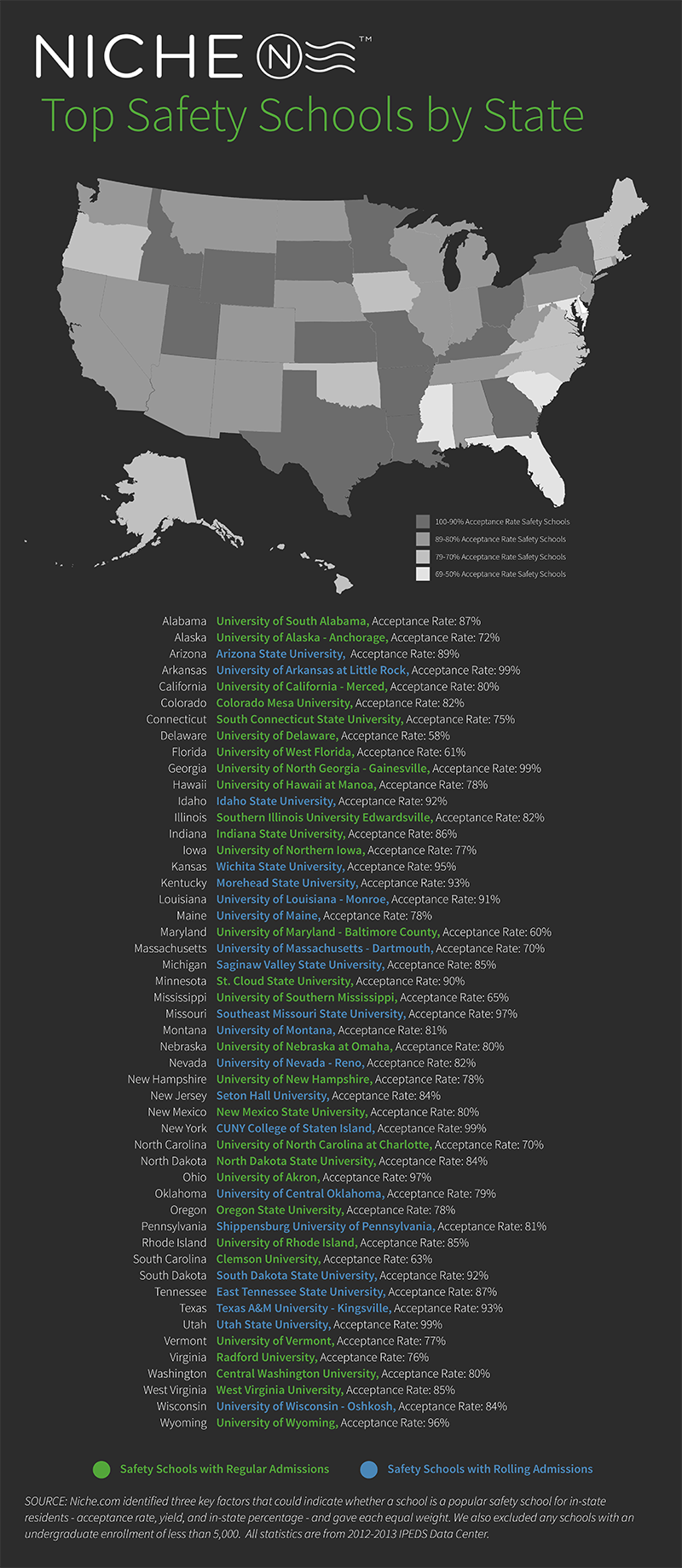
‘Safety schools,’ or colleges considered back-ups to students’ top choices, get a bad rap.
But as many students have found, attending a college that isn’t your first choice can be a great way to save money and avoid student loan debt.
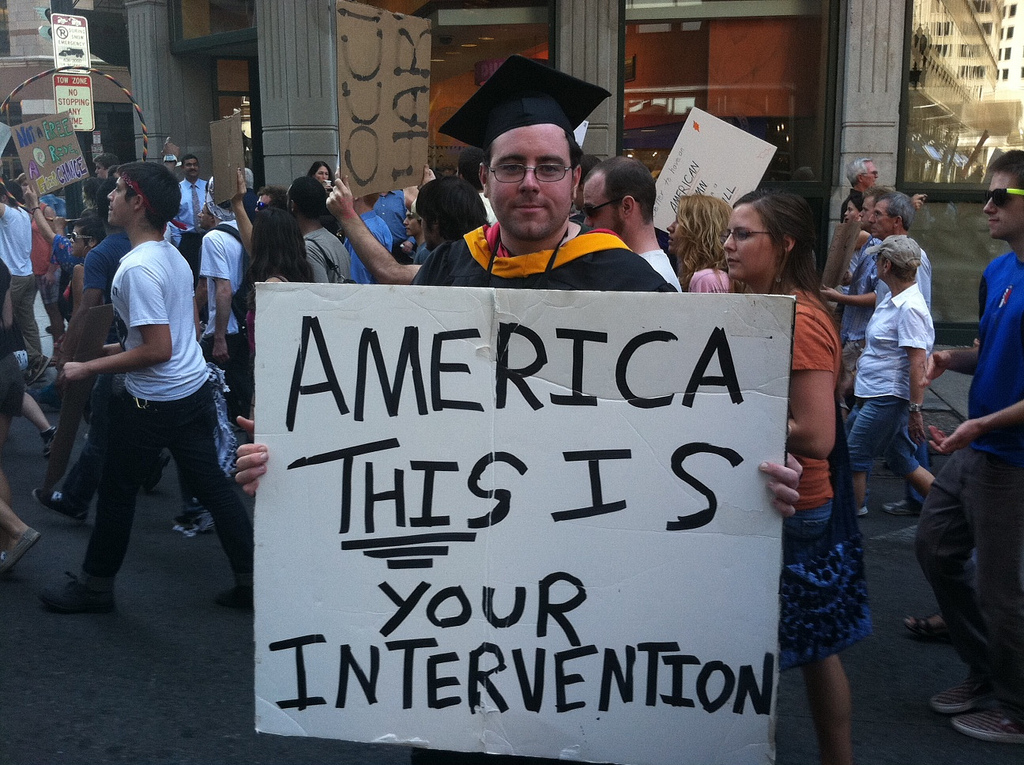
Hechinger Report recently published a great opinion piece from Karen Gross on the ‘flawed conversation’ regarding the cost of higher education. She says that too much public focus is placed on the hard costs of college, and not enough on the repercussions of taking out student debt and alternative repayment options for students. We couldn’t agree more with her claims. […]
Even as college costs rise, millions of students are missing out on the opportunity to get free money for college.
According to an analysis of federal data by Mark Kantrowitz, senior vice president at Edvisors Network, about 2 million students could have qualified for the need-based Federal Pell Grant during the 2011-12 academic year.
Of that group, 1.3 million would have qualified for a full Pell Grant of $5,645 for the 2013-14 academic year. That’s a free $22,580 over 4 years. If these students had instead borrowed loans to cover that amount, they’d have to pay it all back, plus interest.
So why didn’t these student receive this free money for college?
They didn’t file the Free Application for Federal Student Aid (FAFSA).
One of the knocks against community colleges has been that students who complete two-year degrees are less likely to continue on and complete their bachelor’s degree than their peers at four-year colleges. This was confirmed back in 2009, when Bridget Terry Long and Michal Kurlaender found that students who initially began at community colleges were 14.5% less likely […]